
Hour-by-Hour Moving Day Timeline: What to Expect

Moving day ranks among the most stressful experiences for Nashville residents, whether relocating across town or settling into Music City for the first time. The chaos of coordinating movers, managing belongings, and transitioning between homes can feel overwhelming without proper planning. A detailed moving day timeline transforms this potentially stressful event into a manageable, organized process.
Understanding what to expect each hour helps you stay on track, reduces anxiety, and ensures nothing gets forgotten. We've helped countless Nashville families navigate moving day successfully, and this hour-by-hour moving schedule will guide you through every step of your relocation journey.
Why a Moving Day Timeline Matters
Creating a structured moving day timeline prevents the common pitfalls that turn relocations into nightmares. Without a clear plan, essential tasks get overlooked, items go missing, and the process takes significantly longer than necessary. An hour-by-hour moving schedule keeps everyone on the same page, from family members to professional movers. This organization becomes especially critical in Nashville, where the weather changes quickly, and traffic patterns shift throughout the day.
The Nashville Department of Transportation reports that coordinating move times around rush hour can save hours of delays. Planning helps you allocate proper time for each phase, ensuring your belongings receive careful handling.
Pre-Move Day Preparation (The Night Before)
The night before your move sets the foundation for success. Confirm your reservation with your moving company and verify the arrival time. Pack an essentials box containing toiletries, medications, phone chargers, important documents, and a change of clothes. Disconnect and prepare appliances for transport, ensuring refrigerators are defrosted and cleaned. Empty all drawers from dressers and desks, as movers typically cannot transport furniture with contents inside.
Set aside snacks and beverages for yourself and the moving crew. Review your moving day checklist, Nashville requirements, and ensure parking permits are secured if you live in neighborhoods with restricted street parking.
Morning Hours: 6:00 AM - 10:00 AM
Final Walkthrough and Last-Minute Packing (6:00-7:00 AM)
Wake early to complete any remaining tasks before your movers arrive. Conduct a thorough walkthrough of every room, closet, and storage area to catch anything you missed. Pack those final items you needed the night before, like bedding and bathroom essentials. Take photos of your current home's condition for your records.
Strip beds and pack linens if you haven't already done so. Clear pathways throughout your home, removing any obstacles that could impede the moving process. Verify that you have cash or a payment method ready for the movers.
Movers Arrive and Initial Assessment (8:00-10:00 AM)
Professional movers typically arrive during this window for residential moves. Greet the crew and provide a comprehensive tour of your home, pointing out items requiring special care. Review the inventory list together, ensuring all items are documented before loading begins. Show movers where parking is available and the best routes through your home.
Point out items that should not be loaded, such as hazardous materials or things you're transporting personally. This initial assessment establishes clear communication and sets expectations for what to expect on moving day. Nashville homes often feature stairs and narrow doorways, so movers need time to plan furniture maneuvering.
Protecting Your Property and Preparing Pathways
Experienced movers will lay down floor protection, but you can help by removing any remaining obstacles. Clear driveways and sidewalks of decorations, planters, or toys that could create tripping hazards. Secure pets in a safe room or arrange for them to stay elsewhere during the move. Keep children occupied and away from the loading zone for their safety. Designate a staging area where movers can organize items before loading.
Mid-Morning to Early Afternoon: 10:00 AM - 2:00 PM
Loading Process and Inventory Check (10:00 AM-12:00 PM)
The loading phase represents the most labor-intensive part of your move. Movers work systematically, typically starting with larger furniture pieces and appliances. Heavy items go into the truck first, creating a stable base for the load. They'll wrap furniture in protective blankets and secure everything to prevent shifting during transport. Stay available to answer questions about specific items or handling preferences.
This is when having a complete moving guide proves invaluable for understanding industry standards and best practices. Professional movers in Nashville work efficiently, but the process still requires several hours for average-sized homes.
Final Property Inspection and Departure (12:00-2:00 PM)
Once loading completes, conduct a final walkthrough of your entire property. Check every room, including attic, basement, and garage spaces. Look inside all cabinets, closets, and built-in storage areas. Test that all windows are closed and locked. Shut off lights and adjust thermostats according to your lease or sale agreement. Take final meter readings for utilities if required. The Nashville Electric Service recommends documenting these readings to avoid billing disputes. Lock all doors and gather any keys that need returning to landlords or new owners.
Coordinating Keys and Documentation
Before leaving your old home, organize all necessary paperwork and access materials. Compile keys for your previous residence, including mailbox keys and any amenity access cards. Keep your moving contract, inventory list, and contact information for the moving company easily accessible. Verify you have keys to your new home or know how to access them upon arrival. Confirm the address and any gate codes or parking instructions for your destination.
Afternoon: 2:00 PM - 5:00 PM
Travel Time and Arrival at New Home
Travel time varies based on your moving distance within Nashville. Local moves across town typically take 30 minutes to an hour, depending on traffic conditions. Interstate routes like I-40 and I-65 can experience heavy congestion during afternoon hours. Plan to arrive at your new home before or simultaneously with your moving truck. This timing allows you to unlock the property and prepare for the movers' arrival. Use this travel time to grab a quick meal.
Unloading and Furniture Placement
Unloading moves more quickly than loading in most cases. Greet your movers and provide another walkthrough, showing them where furniture and boxes should go. Be specific about furniture placement, as moving large pieces twice wastes time and energy. Direct box placement according to room labels to simplify your unpacking process.
Check items off your inventory list as they come off the truck. The Better Business Bureau of Middle Tennessee recommends documenting concerns immediately with photos.
Directing Movers and Box Organization
Effective communication during unloading prevents confusion and saves time. Designate someone to stay near the truck to answer questions as items come off. Another person should be inside directing placement in specific rooms. Request that movers place boxes against walls rather than in the room centers.
Stack boxes logically with heavier items on the bottom and clearly labeled sides facing out. This organization, combined with knowing how to create a moving checklist beforehand, makes unpacking significantly easier.
Evening: 5:00 PM - 8:00 PM
Unpacking Essentials and Setting Up Key Rooms
Once movers depart, focus on essentials rather than trying to unpack everything. Start with your essentials box containing immediate necessities. Set up beds first so everyone has a place to sleep tonight. Unpack bathroom items and hang shower curtains. Organize the kitchen enough to prepare simple meals or coffee for tomorrow morning. Locate and unpack any medications or medical equipment family members need.
Utilities Check and First Night Preparations
Verify that all utilities are functioning properly in your new home. Test light switches in every room and check that outlets work. Run water at all faucets to ensure proper function and check for leaks. Adjust your thermostat to a comfortable temperature. The Nashville Department of Water Services provides 24-hour emergency contact information for any immediate concerns. Locate your circuit breaker and water shut-off valve in case of emergencies. Order dinner from local Nashville favorites like Hattie B's Hot Chicken rather than attempting to cook tonight.
Securing Your New Home for the Night
Before settling in for the evening, take security measures to protect your new property. Walk the perimeter, checking that all doors and windows lock properly. Test your garage door if applicable. Locate and test smoke detectors and carbon monoxide alarms. Update any security system codes if your home has one. Keep a flashlight accessible in case of power issues. These precautions help you sleep peacefully on your first night.
Common Moving Day Challenges in Nashville
Nashville presents unique moving day challenges that require local knowledge and careful planning. Understanding these obstacles helps you prepare appropriate solutions:
- Weather conditions: Summer heat and humidity can make moving exhausting and potentially damage temperature-sensitive items. Afternoon thunderstorms roll through quickly during warmer months, requiring tarps and weather monitoring.
- Traffic congestion: Major routes like I-40, I-65, and I-440 experience heavy delays during rush hours. Morning and late afternoon moves often face significant traffic slowdowns that impact arrival times.
- Parking restrictions: Neighborhoods like East Nashville, Germantown, and 12 South feature narrow streets and limited parking spaces. Securing permits ahead of time prevents citations and access issues.
- Building requirements: Many condominiums and apartment buildings require advance elevator reservations and proof of insurance. Some facilities charge deposits or restrict moving hours to specific times.
- Historic home challenges: Nashville's older homes often have tight staircases, narrow doorways, and low ceilings. These architectural features require specialized equipment and experienced crews for safe furniture navigation.
Conclusion
A well-planned moving day timeline reduces stress and ensures your relocation proceeds smoothly from start to finish. Following this hour-by-hour moving schedule helps you stay organized, protects your belongings, and makes efficient use of everyone's time.
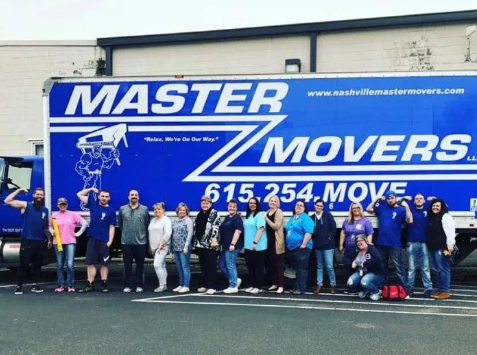
Master Movers brings decades of professional experience to every Nashville relocation, handling the heavy lifting while you focus on settling into your new home. Contact us today for a free quote and experience the difference that professional moving services make in transforming your moving day from stressful to successful.