How to Make a Moving Binder for an Organized Nashville Move
Are you moving to a Nashville neighborhood? Moving is one of life's most stressful events, and it's easy to see why. Between coordinating movers, transferring utilities, and keeping track of paperwork, important documents disappear right when you need them most. That's where a moving binder comes in. In this guide, we'll show you exactly how to create a moving binder that will keep your relocation on track and stress-free.
What is a Moving Binder?
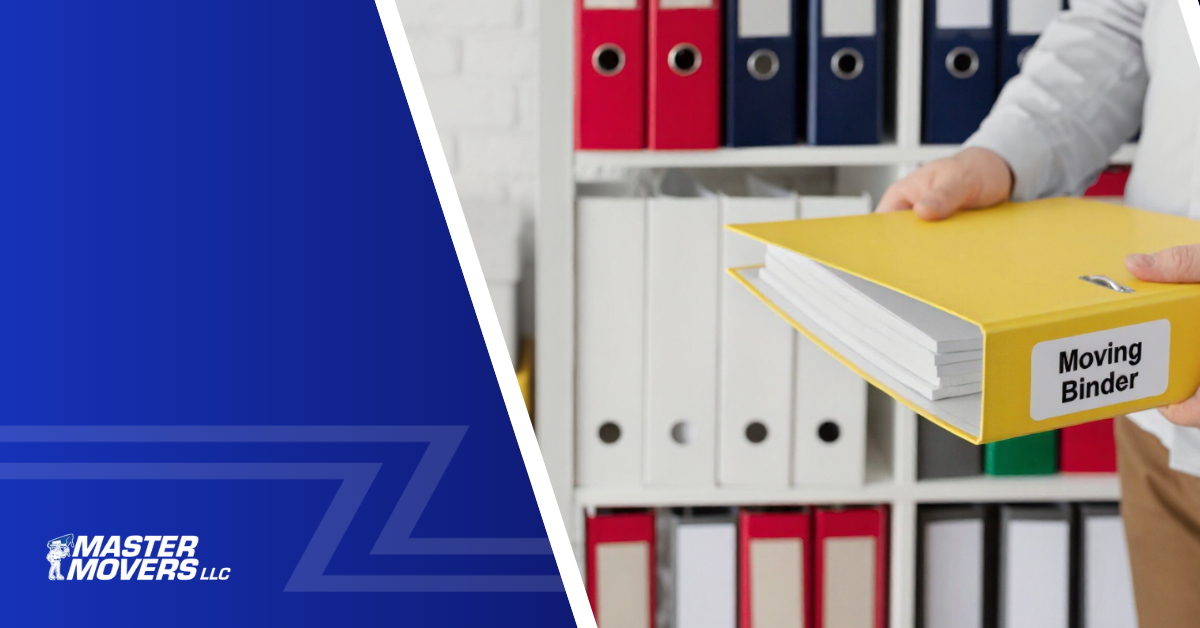
A moving binder is your command center for the entire moving process. It's a physical three-ring binder that holds all your moving-related documents, checklists, receipts, and important information in organized sections.
While some people prefer digital alternatives like cloud storage or moving apps, a physical binder has distinct advantages. You don't need WiFi to access it, you can flip through pages quickly, and on moving day, when your phone battery is dying and chaos reigns, your binder will be right there with everything you need.
Materials Needed for Your Moving Binder
Before you start organizing, gather these supplies:
- 2-3 inch three-ring binder – Choose one with a clear cover pocket so you can insert a title page
- Divider tabs with labels – At least 8-10 tabs for different sections
- Clear sheet protectors – Essential for protecting important contracts and documents
- Lined or blank paper – For notes and lists
- Pens and highlighters – Keep a few attached to the binder with a pencil pouch
- Sticky notes or page flags – Perfect for marking priority items
- Folder pockets – Built-in or three-hole punched folders work great for receipts
- Label maker or printed labels (optional) – Makes your tabs look professional and easy to read
You can find everything at local Nashville stores like the Office Depot on West End Avenue or Target locations throughout the area.
Essential Sections for Your Moving Binder
Now, let's break down what should go inside your binder. Each section serves a specific purpose in keeping your move organized.
1. Moving Timeline & Checklist
Start with a comprehensive moving timeline that breaks down tasks week by week.
- 8 weeks before: Start decluttering
- 6 weeks before: Book movers
- 4 weeks before: Start packing non-essentials
- 2 weeks before: Confirm moving details
- Moving day: Final walkthrough
- Weekly task lists
- Utilities setup checklist
- Change of address checklist
Include deadlines like when to notify your landlord (usually 30-60 days), when to schedule movers, and when to start packing non-essentials. Check off tasks as you complete them—there's real satisfaction in seeing your progress.
2. Budget & Expenses
Moving costs add up quickly, so tracking expenses is crucial. Create a budget sheet with:
- Estimates for movers
- Packing supplies
- Cleaning services
- Utility deposits
- Fuel and travel expenses
Store all receipts in a folder pocket within this section. Many moving expenses could be tax-deductible if you're relocating for work, so preservation matters.
3. Moving Company Information
This section holds everything related to your moving company.
- Moving quotes you received
- Final contract
- Mover's license
- Insurance information
- Contact details for your moving coordinator
Add copies of your inventory list and any forms related to claims or additional services. Having this information accessible on moving day prevents frantic searches when questions arise.
4. Inventory Lists
Create room-by-room inventory lists of what you're moving. Note high-value items separately and consider taking photos of expensive electronics, furniture, and sentimental pieces before they're packed. For insurance purposes, having a detailed inventory with photos makes the claims process significantly smoother.
- Room-by-room inventory: kitchen, bedroom, living room
- High-value item list: instruments, artwork, antiques
- Box labeling guide
- Donation or sale item list
5. Important Documents
Dedicate a section to critical paperwork you'll need immediately, such as the following:
- New lease or closing documents,
- Utility setup confirmations for electricity, water, gas, and internet,
- Change of address confirmations from USPS
- Copies of school registration papers, if you have children.
- Medical and dental records
For Nashville-specific utilities, you might be dealing with Nashville Electric Service or Metro Water Services, so keep their setup confirmations here.
6. Floor Plans & Measurements
Print out or sketch the floor plan of your new home with room measurements. Add measurements of your current furniture, especially large pieces like couches, beds, and dressers. This helps you figure out what fits where and plan your furniture arrangement before moving day. You'll save time and avoid the frustration of trying to squeeze a couch through a doorway that's two inches too narrow.
7. Contact Information
Keep a master contact list of everyone involved in your move.
- Real estate agent
- Landlord
- Movers
- Utility companies
- Friends or family members assisting with the move.
For local Nashville contacts, you might include numbers for Nashville.gov services, your new neighborhood association, or local schools like Metro Nashville Public Schools if you have kids.

How to Set Up Your Moving Binder
Setting up your binder properly from the start makes maintenance easy throughout your move. Begin by labeling your divider tabs with the section names listed above. Arrange them in an order that makes sense to you—many people prefer putting the timeline first since they reference it most often.
- Create a simple table of contents on the first page listing all your sections. This helps you find information quickly and lets others (like your partner or moving helpers) navigate the binder easily.
- Use sheet protectors for anything you can't replace, like signed contracts, closing documents, or your mover's insurance certificate. Regular papers, like checklists and notes, can go directly on the rings.
- Consider adding a pencil pouch that clips onto the binder rings. Fill it with pens, a small calculator, stamps for mailing address changes, and a USB drive with digital copies of important documents as backup.
- Finally, create a cover page with your moving date, new address, and emergency contacts. Slip it into the clear front pocket of your binder.
Tips for Maintaining Your Binder
A moving binder only works if you actually use it. Here's how to keep it functional throughout your move:
- Keep it accessible – Store your binder in a consistent spot you pass daily, like the kitchen counter or your home office desk, not buried in a drawer.
- Update immediately – File new documents and check off completed tasks right away rather than letting papers pile up with good intentions to organize them later.
- Do weekly reviews – Set aside 10 minutes each week to review your timeline, update your budget with new expenses, and make sure nothing has fallen through the cracks.
- Keep it with you on moving day – Never pack your binder on the moving truck. Keep it in your personal vehicle or carry it with you so you can reference information throughout the day.
- Share access with your partner – If you're moving with a spouse or roommate, show them how the binder is organized so they can find information when you're not around.
- Take it to important appointments – Bring your binder to walk-throughs, meetings with movers, and closing appointments so all relevant information is at your fingertips.
If you're looking for additional planning resources, check out our complete moving guide with step-by-step instructions to cover every aspect of your relocation.

Conclusion
Creating a moving binder takes a few hours upfront, but it saves you countless hours of stress and searching later. With all your moving information organized in one portable location, you'll feel more in control of the process and less likely to forget important tasks or misplace crucial documents.
Master Movers understands that successful relocations require both professional moving services and personal organization. Contact Master Movers today to schedule your Nashville move and experience a seamless relocation backed by our commitment to customer satisfaction and stress-free moving solutions.