10 Steps to Move Large Furniture Through Narrow Doorways and Stairs
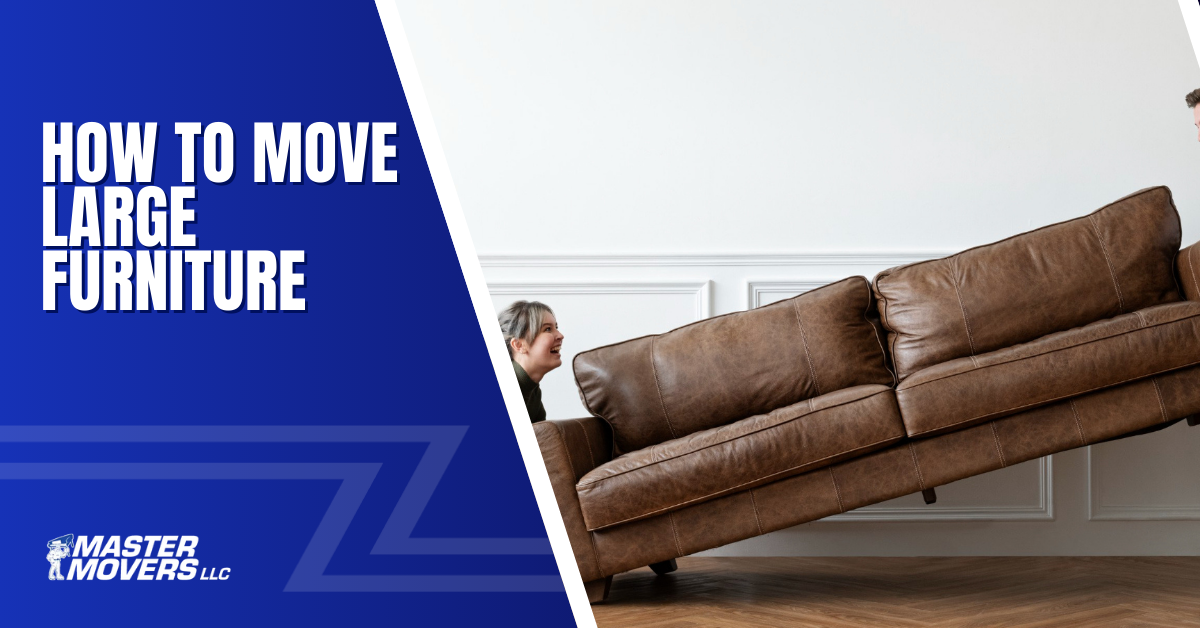
Moving large furniture through narrow doorways and tight staircases ranks among the most challenging aspects of any relocation. Whether you're navigating a historic Germantown home with vintage doorframes or a modern East Nashville condo with compact stairwells, getting oversized pieces from point A to point B demands careful planning and proven techniques.
At Master Movers, we've helped countless Nashville families successfully maneuver everything from sectional sofas to antique armoires through seemingly impossible spaces. This guide shares our professional strategies for moving furniture through tight spaces without damaging your belongings or property. You'll learn measurement techniques, essential tools, step-by-step methods, and safety protocols that make even the trickiest furniture removal and narrow staircase challenges manageable.
Measure Everything Before You Move
Accurate measurements determine whether your furniture will fit and which techniques you'll need. Guessing leads to problems halfway through doorways.
How to Measure Your Furniture Accurately
Measure your furniture's height, width, and depth at its widest points. Account for protruding elements like arms, legs, and decorative features.
For sofas and couches, measure the diagonal depth from the highest point of the back to the bottom front corner. This diagonal measurement often determines whether a piece will navigate through openings. Remove cushions and measure the frame itself. Check our detailed how to measure furniture resource for comprehensive measurement techniques.
Measuring Doorways, Hallways, and Staircases
Measure doorway openings at their narrowest point, typically the frame itself. Standard doorways measure 32 inches wide, but older Nashville homes often feature narrower openings. Note any protruding light fixtures or decorative elements that reduce clearance. For staircases, measure the width between railings and walls. Note the height from each step to the ceiling above.
Essential Tools and Equipment for Moving Large Furniture
Professional movers rely on specific equipment that provides leverage, protection, and control. Attempting to force furniture through doorways without preparation leads to scratched walls, damaged pieces, and potential injuries.
- Furniture sliders reduce friction and allow smooth movement across floors.
- Moving blankets cushion furniture and prevent scratches.
- Furniture straps distribute weight evenly and give you a better grip.
- Screwdrivers and Allen wrenches enable furniture disassembly.
- A furniture dolly handles heavy items and reduces strain.
- Work gloves protect your hands and improve grip. These tools are essential for effective large furniture moving techniques.
Taking time to measure, strategize, and gather proper equipment saves hours of frustration. We've seen impromptu moves result in stuck furniture, torn upholstery, and gouged doorframes.

10 Proven Steps to Move Large Furniture Through Narrow Doorways and Stairs
Follow these professional techniques to successfully move large furniture through challenging spaces.
Step 1: Clear the Path and Remove Obstacles
Walk the entire route from your furniture's current location to its destination. Remove wall decorations, move smaller furniture aside, and roll up area rugs. Clear landing spaces on staircases completely. Remove doorstops that might catch furniture edges.
Step 2: Disassemble Furniture When Possible
Many furniture pieces break down into smaller, more manageable components. Remove table legs, bed frames, and couch feet. Take apart sectional sofas into individual pieces. Remove dresser drawers and detach mirrors from frames. Keep all hardware in labeled plastic bags taped to the corresponding furniture piece.
Step 3: Protect Your Furniture and Walls
Wrap furniture completely in moving blankets, securing them with plastic wrap. Pay special attention to corners and edges that might contact walls or doorframes. Place cardboard corner guards on doorframes and wall corners along your route.
Step 4: Use the Hook Method for Doorways
The hook method angles furniture to maximize the effective opening size. Tilt the furniture backward or forward to create a diagonal orientation. Guide one corner through the doorway first, then pivot the piece as it passes through. For how to move a couch through a doorway challenges, angle the couch so the top back corner enters first, followed by the bottom.
Step 5: Angle Furniture Diagonally
Moving furniture at an angle rather than straight-on reduces the effective width needed. Tilt dressers, mattresses, and box springs to pass through openings diagonally. Stand mattresses and box springs on their long edge. Walk them through doorways, corner-first, while keeping them vertical. Understanding how to move a couch through doorway spaces requires mastering this angling technique for optimal clearance.
Step 6: Pivot Through Corners and Tight Turns
Approach corners with the furniture angled so the leading edge enters the new space first. As you turn, keep the trailing edge tight against the original wall while the front edge sweeps into the new hallway. Move slowly and adjust angles incrementally until you find the path that works.
Step 7: Navigate Stairs with the High-Low Method
Stair navigation requires two people working in coordination. One person takes the high position at the top of the furniture, the other takes the low position at the bottom. This creates a carrying angle that matches the staircase slope. The high person walks backward down the stairs while the low person walks forward up. Communicate constantly about footing and obstacles. For furniture removal in narrow staircase situations, this method provides the control needed for safe passage.
Step 8: Remove Door Hinges When Necessary
Sometimes, removing the door itself provides the extra clearance needed for large furniture moving techniques to succeed. Most interior doors lift off their hinges easily once you remove the hinge pins. Tap the pins upward with a hammer and screwdriver, then lift the door away. Removing doors adds an inch or two of clearance on each side.
Step 9: Slide Don't Lift When Possible
Furniture sliders under each leg or corner transform heavy pieces into easily maneuverable items. Sliding reduces physical strain and provides better control than lifting. Push rather than pull whenever possible. For carpeted areas, use hard plastic sliders. For hardwood or tile, use felt sliders.
Step 10: Recruit Enough Help and Communicate
Never attempt to move large furniture alone. Heavy pieces require at least two people for safe handling. Assign roles before starting, so everyone knows their position. Establish clear communication signals. Designate one person as the lead who calls out directions using simple commands like "lift," "lower," "left," and "stop."
Safety Tips for Moving Heavy Furniture on Stairs
Stair navigation presents unique safety challenges that require specific precautions. Following proper safety protocols protects both you and your furniture.
Proper Lifting Techniques
Bend at your knees, not your waist, when lifting furniture. Keep your back straight and core muscles engaged. Hold furniture close to your body rather than at arm's length. Let your leg muscles do the work. Never twist your torso while carrying weight. Turn your entire body by moving your feet.
Using Furniture Straps and Dollies
Furniture straps wrap around large pieces and over your shoulders, distributing weight across your stronger muscle groups. They provide better leverage and reduce strain. Stair-climbing dollies feature wheels that rotate to climb steps. They transform heavy lifting into controlled pushing. Maintain constant control and take stairs one at a time.
Preventing Injuries During the Move
Wear closed-toe shoes with good traction. Keep your moving path well-lit so you can see obstacles clearly. Nashville Electric Service reminds homeowners to ensure adequate lighting during renovation and moving projects. Take frequent breaks to prevent fatigue. Tired muscles lead to mistakes and accidents. Our complete moving guide covers additional safety considerations for your entire relocation.
When to Call Professional Movers in Nashville
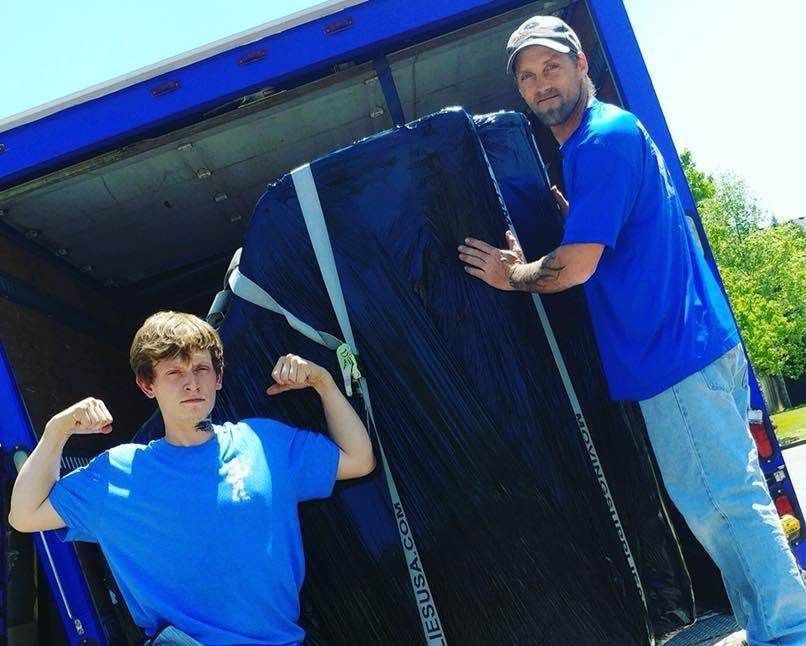
Some furniture moving situations exceed DIY capabilities. We recommend professional assistance when furniture absolutely won't fit through available openings. Moving extremely heavy items like pianos, safes, or solid wood armoires requires specialized equipment and experience. Historic homes in neighborhoods like Edgefield often have particularly challenging layouts. Three-story moves or buildings without elevators present significant challenges.
High-value antiques or irreplaceable family heirlooms deserve professional handling. Physical limitations or health concerns make professional help essential. The Vanderbilt Health system treats numerous moving-related injuries each year that could have been prevented with professional assistance.
Conclusion
Moving large furniture through narrow doorways and stairs becomes manageable with proper planning, the right tools, and proven techniques. We've shared the measurement strategies, step-by-step methods, and safety protocols that make seemingly impossible furniture moves successful. Whether you're navigating a historic home in Green Hills or a modern apartment in The Nations, these professional approaches help you protect both your furniture and your property.
Master Movers brings years of experience handling challenging furniture moves throughout Middle Tennessee. Contact us today for a free quote and let our professional team handle your furniture moving needs with the care and expertise your belongings deserve.