
5 Steps to Move a Mattress: Transport and Protection Guide
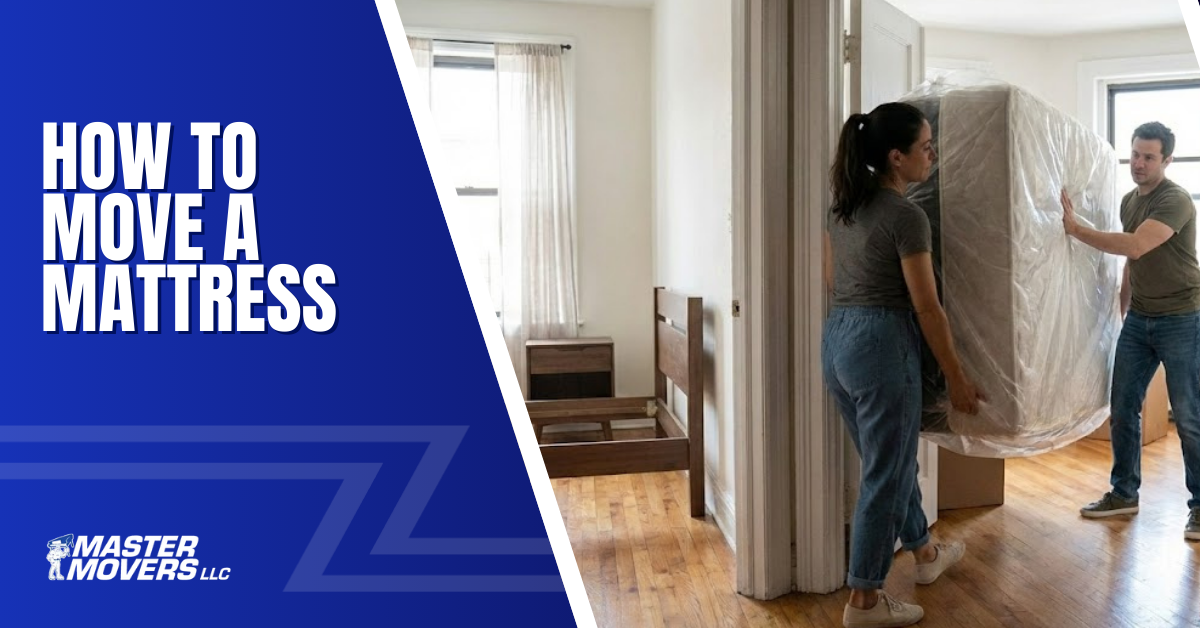
Moving a mattress requires careful planning and proper technique to protect your investment. A quality mattress represents a significant purchase, and damage during transport can compromise both its comfort and longevity. Whether you're moving across Nashville or relocating to Music City, understanding how to move a mattress safely ensures you'll enjoy restful sleep in your new home. This guide walks you through five essential steps to transport your mattress without damage, along with practical mattress moving tips specific to Nashville's climate and local resources.
Step 1: Gather Your Mattress Moving Supplies
Successful mattress transport starts with having the right materials on hand. Gathering supplies before moving day prevents last-minute scrambling and ensures your mattress stays protected throughout the process.
Essential Materials You'll Need
Here's what you'll need for safe mattress transport:
- Mattress bag or cover: Heavy-duty plastic bags designed specifically for mattresses provide moisture and dirt protection
- Packing tape: Strong tape seals mattress bags and secures protective layers
- Moving blankets: Thick blankets add cushioning and protect against tears or punctures
- Rope or straps: Securing materials keep your mattress stable during transport
- Dolly or hand truck: Wheeled equipment makes maneuvering heavy mattresses much easier
- Gloves: Work gloves improve grip and protect your hands during lifting
Where to Find Moving Supplies in Nashville
Nashville offers numerous local options for purchasing mattress-moving supplies. The Home Depot on Charlotte Avenue stocks moving blankets, tape, and protective covers. U-Haul locations throughout Nashville carry mattress-specific bags in various sizes, plus rental dollies and hand trucks.
For eco-conscious movers, consider reusable mattress protectors that you can keep for future moves or storage needs. Local hardware stores in neighborhoods like East Nashville and Green Hills also carry basic moving supplies.
Step 2: Clean and Prepare Your Mattress for Transport
Preparing your mattress before wrapping ensures you're not sealing in dirt, dust mites, or allergens. This step also provides an opportunity to assess your mattress condition before the move.
Pre-Move Cleaning Process
Start by stripping all bedding, including mattress protectors and toppers. Vacuum both sides of your mattress thoroughly using an upholstery attachment to remove dust, dead skin cells, and debris. Pay special attention to seams and crevices where particles accumulate.
For spot cleaning, use a mild upholstery cleaner and work in small sections. Avoid saturating the mattress with liquid, as excess moisture can lead to mold growth. Allow the mattress to air dry completely before wrapping. Nashville's humidity means drying may take longer during the summer months, so plan accordingly.
Inspection for Damage or Wear
While your mattress is exposed, examine it carefully for existing damage. Look for tears in the fabric, broken springs, or sagging areas that might worsen during transport. Document any existing damage with photos, especially if professional movers will handle your mattress.
Check for signs of bed bugs or other pests, particularly if you're moving from an apartment building. Small dark spots, shed skins, or live insects indicate an infestation that needs professional treatment. Never transport an infested mattress, as you'll spread the problem to your new home.
Step 3: Wrap and Protect Your Mattress Properly
Proper wrapping forms the foundation of protecting the mattress during a move. This critical step shields your mattress from moisture, dirt, and physical damage throughout transport. Following these mattress moving tips ensures your bed arrives in pristine condition.
Using Mattress Bags Effectively
Slide your mattress into a properly sized mattress bag, which should fit snugly without excessive bunching. These bags come in twin, full, queen, and king sizes to match standard mattress dimensions. Position the open end at the top of the mattress for easier sealing.
Once the mattress is inside, remove as much air as possible before sealing. Use strong packing tape to seal the opening completely, running multiple strips across the seam for security. Ensure no gaps exist where moisture or pests could enter.
Adding Extra Protection Layers
After bagging your mattress, wrap it with moving blankets for additional cushioning. Secure blankets with packing tape or rope, making sure they won't shift during transport. This extra layer protects against bumps, scrapes, and punctures that could tear through the plastic bag.
For valuable mattresses like memory foam or pillow-top models, consider double-bagging for maximum protection. The second bag provides redundancy if the outer layer tears during loading or unloading. This approach to protecting mattresses during a move proves especially valuable for Nashville's unpredictable weather conditions.
Step 4: Load and Secure Your Mattress in the Moving Vehicle
Proper loading techniques prevent damage during transport and ensure your mattress arrives in the same condition it left. This step requires careful planning and attention to positioning.
Best Loading Techniques
Always transport mattresses standing on their side rather than lying flat. This position minimizes pressure on mattress materials and maximizes truck space. Position the mattress against a wall of the moving truck or van for stability and support.
Use a dolly to move your mattress from your home to the vehicle, especially if you're navigating stairs or long distances. Two people should guide the mattress onto the dolly and maintain control during transport. Never drag a mattress across the ground, as this can tear the protective covering.
Securing Your Mattress During Transport
Once positioned in the vehicle, secure your mattress with straps or rope to prevent shifting during transit. Nashville's hilly terrain and winding roads mean unsecured items can slide and sustain damage during the drive. Attach straps to anchor points in your truck or van, creating a snug fit.
Avoid placing heavy items against your mattress that could compress or puncture it. If you must stack items nearby, use additional blankets as buffers. Check your complete moving guide for more comprehensive tips on loading your moving truck efficiently.
Step 5: Unload and Set Up Your Mattress at Your New Home
The final step requires the same care you exercised during loading. Rushing through unloading can undo all your careful preparation.
Safe Unloading Procedures
Remove the securing straps carefully and use your dolly again to transport the mattress into your new home. Navigate doorways and hallways slowly, watching for obstacles that could snag or tear the protective covering. Communication between helpers prevents accidents and ensures smooth maneuvering through tight spaces.
Once inside your bedroom, carefully remove the outer moving blankets and cut away the mattress bag. Use scissors cautiously to avoid accidentally puncturing the mattress itself.
Post-Move Inspection and Setup
Inspect your mattress thoroughly before placing it on your bed frame. Look for any damage that may have occurred despite your precautions. Check seams, corners, and the sleeping surface for tears, stains, or compression.
Allow your mattress to air out for several hours before making the bed, especially if it was tightly wrapped for an extended period. Position your mattress properly on the frame, ensuring even support across all edges.
How Much Does It Cost to Move a Mattress in Nashville
Understanding mattress transport costs helps you budget appropriately and decide between DIY moving and professional services. Nashville moving costs vary based on several factors.
DIY mattress moving typically costs between $20 and $75 for supplies. Mattress bags range from $5 to $15, depending on size and quality. Moving blankets cost approximately $10 to $40 for a pack. If you need to rent a truck or van, expect to pay $30 to $150 for local Nashville moves.
Professional mattress moving services in Nashville charge differently based on whether mattress transport is part of a full-service move or a standalone service. Full-service moves that include your entire household typically factor mattress moving into the overall cost, which averages $400 to $2,000 for local Nashville moves. The Nashville Chamber of Commerce provides resources for researching local moving companies.
For mattress-only moves, some Nashville moving companies offer specialized services. These typically cost between $100 and $300, depending on mattress size, distance, and accessibility factors like stairs or narrow hallways.
Consider your specific situation when deciding between DIY and professional moving. If you're already planning a full household move, professional movers handle mattress transport efficiently. For standalone mattress moves or those working with tight budgets, DIY methods with proper supplies provide effective solutions. Check out our guide on how to create a moving budget to factor all moving expenses into your financial planning.

Conclusion
Learning how to move a mattress successfully requires proper supplies, careful preparation, and correct handling techniques. Following these five steps protects your investment and ensures comfortable sleep in your new Nashville home. Whether you choose DIY methods or professional assistance, proper technique makes all the difference.
Master Movers brings years of experience handling delicate items like mattresses with the care they deserve. Contact us today for professional moving services that protect your belongings and provide peace of mind during your Nashville relocation.