First-Time Mover's Guide: Everything You Need to Know Before Moving Day
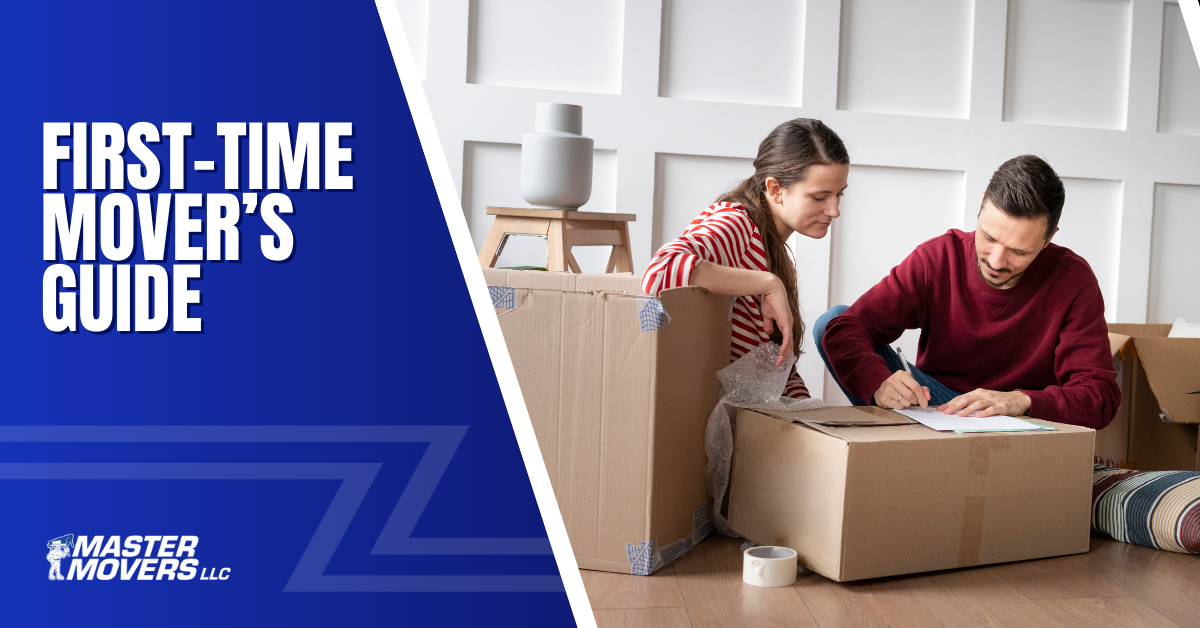
Moving for the first time can feel overwhelming, especially when you're unsure where to start or what to expect. We've helped countless first-time movers transition smoothly into their new Nashville homes, and we understand the unique challenges you're facing. The key to a successful first move is proper planning, staying organized, and knowing what steps to take at each stage.
This first-time moving guide walks you through everything from creating your initial budget to settling into your new space. Whether you're moving across town or relocating to Nashville from another state, we'll help you navigate each phase with confidence and eliminate the stress that often comes with your inaugural move.
What First-Time Movers Need to Know Before Getting Started
First-time movers often underestimate the time and preparation required for a successful relocation. You'll need to coordinate timing, manage logistics, notify various organizations of your address change, and ensure nothing gets left behind.
The most common mistakes we see include waiting until the last minute to book movers, underestimating how much stuff you actually own, and failing to create a realistic budget.
Starting your planning at least eight weeks before your move date gives you enough time to handle each task without feeling rushed.
This moving checklist for first-time movers breaks down the process into manageable phases, so you know exactly what to do and when to do it.
Creating Your Moving Checklist for First-Time Movers (8 Weeks Out)
Eight weeks before your move might seem early, but this timeline prevents last-minute chaos. Starting your preparation now means you'll have time to compare prices and make informed decisions. Understanding how to prepare for your first move starts with breaking down tasks into weekly goals. For a comprehensive breakdown of timing and tasks, check out our guide on how to create a moving checklist that covers every phase of your relocation.
Start with a Moving Budget
Your moving budget should account for more than just the moving company's quote. Professional moving services typically form the largest expense, but you'll also need to budget for packing supplies, cleaning services, utility deposits, and potential storage fees. First-time movers often forget about costs like parking permits, insurance coverage, or meals on moving day.
We recommend adding a 10-15% buffer to your estimated budget for unexpected expenses. Track every moving-related expense in a spreadsheet or budgeting app to avoid overspending.
Research and Book Your Moving Company
Booking your moving company early ensures better availability and often better rates. We recommend getting quotes from at least three reputable Nashville moving companies to compare services and pricing. Ask each company about their licensing, insurance coverage, experience with first-time movers, and what services are included.
Request an in-home estimate rather than a phone quote for the most accurate pricing. Red flags include companies that demand large deposits, lack proper licensing, or refuse to provide written estimates. Once you've selected your mover, book immediately because prime moving dates fill up quickly, especially during the summer months.
Understand Your Moving Insurance Options
Moving insurance protects your belongings during transit, but many first-time movers don't understand their coverage options. Basic valuation coverage is typically included in your moving quote, but it only provides minimal protection based on weight rather than actual value. Full value protection costs extra but ensures damaged or lost items are repaired, replaced, or compensated at current market value. Review your homeowner's or renter's insurance policy to see if it covers items during a move.
We can explain the different coverage levels and help you decide what protection makes sense for your belongings. Document high-value items with photos and keep receipts to support any potential claims.
Begin Decluttering and Downsizing
Moving costs are often based on weight and volume, so reducing what you're moving saves money. Go through each room and decide what to keep, donate, sell, or discard. Items you haven't used in over a year probably aren't worth moving. Goodwill Industries of Middle Tennessee accepts donations of furniture, clothing, and household items, making it easy to declutter responsibly. Sell valuable items through Facebook Marketplace or hold a yard sale to offset moving costs.
How to Prepare for Your First Move (4-6 Weeks Out)
The month before your move requires focused preparation and organization. This phase involves gathering materials, handling administrative tasks, and beginning the packing process. Knowing how to prepare for your first move during this critical window sets you up for success on moving day.
Create a Detailed Moving Inventory
A comprehensive inventory protects you if items are damaged or lost during the move. Walk through your home and photograph each room from multiple angles. Create a detailed list of all furniture, electronics, and valuable items you're moving. Note the condition of each item before the move as documentation for insurance purposes. Use a spreadsheet or moving app to track which boxes contain which items. Label boxes with room destinations and general contents for easier unpacking.
Gather Packing Supplies and Materials
Quality packing materials protect your belongings during transport and make the process more efficient. You'll need various box sizes, packing tape, bubble wrap, packing paper, and markers for labeling. Specialty boxes for dishes, wardrobes, and mirrors protect fragile and bulky items.
We can provide professional-grade packing supplies or recommend where to find quality materials. Many Nashville liquor stores and grocery stores give away free boxes if you're on a tight budget. Stock up on supplies at least four weeks before moving day so you're ready when you start packing.
Notify Important Parties of Your Move
Updating your address with various organizations prevents missed mail and service interruptions. Start with the USPS change of address service to forward your mail to your new Nashville home. Notify your employer, banks, credit card companies, insurance providers, and subscription services of your new address. Update your driver's license and vehicle registration with the Tennessee Department of Safety within 30 days of moving. Contact utility companies to schedule disconnection at your old home and connection at your new place.
Start Packing Non-Essential Items
Begin packing items you won't need before moving day to reduce last-minute stress. Out-of-season clothing, books, decorative items, and rarely used kitchen appliances can be packed first. Pack one room at a time to stay organized and maintain some normalcy in your living space. Label each box clearly with its contents and destination room. Use smaller boxes for heavy items like books and larger boxes for lighter items like linens.
First-Time Moving Tips: The Final Two Weeks
The two weeks before moving day require intensified focus and detailed planning. Most of your packing should happen during this window while you finalize logistics and confirm arrangements. These first apartment moving tips help you handle the unique challenges of moving into rental properties and multi-unit buildings.
Pack Room by Room with a System
Systematic packing prevents chaos and makes unpacking much easier in your new home. Finish packing one room completely before moving to the next to maintain order. Keep essential items accessible until the last possible moment.
Pack a "load last, unload first" box with cleaning supplies, tools, and first-day necessities. Use color-coded labels or numbering systems to identify which room each box belongs in. Wrap fragile items individually and mark boxes clearly as fragile from multiple sides.
Prepare Your Essentials Box
Your essentials box contains everything you'll need for the first 24-48 hours in your new home. Include toiletries, medications, phone chargers, a change of clothes, important documents, and basic tools. Pack some snacks, paper plates, plastic utensils, and trash bags for your first meals. Include toilet paper, hand soap, towels, and cleaning supplies for immediate use.
Keep this box with you during the move rather than loading it on the truck. We also recommend packing bed linens separately so you can make your bed immediately upon arrival.
Arrange Parking and Building Access
First-time movers often forget about parking logistics until moving day creates problems. Contact your current and new apartment management to understand their move-in and move-out policies. Reserve elevators if you're in a high-rise building, as most properties require advance notice. Check if you need a moving permit from Metro Nashville Government for street parking or loading zone access.
Some Nashville neighborhoods have strict parking restrictions that require temporary permits. Measure doorways, hallways, and elevator dimensions to confirm your furniture will fit.
Confirm Details with Your Moving Team
Contact us one week before your move to confirm the date, time, and any special requirements. Review what items we're moving versus what you're transporting personally. Discuss any challenging items like pianos, antiques, or oversized furniture that require special handling. Confirm the addresses for both your current and new locations. Provide any access codes, parking instructions, or building requirements we need to know. Clear communication ensures everyone knows the plan and that moving day runs smoothly.
Moving For The First Time: What to Expect from Professional Movers
Moving day finally arrives, and knowing what to expect reduces stress significantly. Understanding what to expect when moving for the first time helps you stay calm and organized during this hectic day.
Our professional crew will arrive within the scheduled timeframe and conduct a walkthrough of your home to assess items being moved. We'll protect your floors, doorways, and railings with padding to prevent damage during the loading process. We wrap furniture in blankets and use proper lifting techniques to ensure safe transport.
Stay available to answer questions, but let the professionals handle the heavy lifting. Do a final walkthrough of each room, closet, and storage area to ensure nothing gets left behind.
Check that all windows are closed, lights are off, and doors are locked. At your new Nashville home, direct boxes to the appropriate rooms and verify all items arrived safely. Our team will unwrap furniture and place it according to your instructions before completing the move.
After the Move: Settling Into Your New Home
Once everything is inside your new home, the unpacking phase begins at your own pace. Start with essential rooms like the bedroom, bathroom, and kitchen so you can function comfortably. Unpack systematically by room rather than randomly opening boxes throughout the house. Break down boxes as you empty them to keep your space manageable.
Take time to explore your new Nashville neighborhood and locate essential services nearby. Visit the Nashville Public Library to get a library card and learn about community resources and events. Find your nearest grocery store, pharmacy, gas station, and other frequently needed businesses. For more detailed guidance on every step of this process, review our complete moving guide that covers additional tips for Nashville-area moves.
Conclusion
Your first move doesn't have to be stressful when you follow a structured timeline and know what to expect. This first-time moving guide provides the foundation you need to tackle your relocation with confidence and minimal stress. We've guided hundreds of first-time movers through this process, and proper planning always makes the difference between chaos and calm.
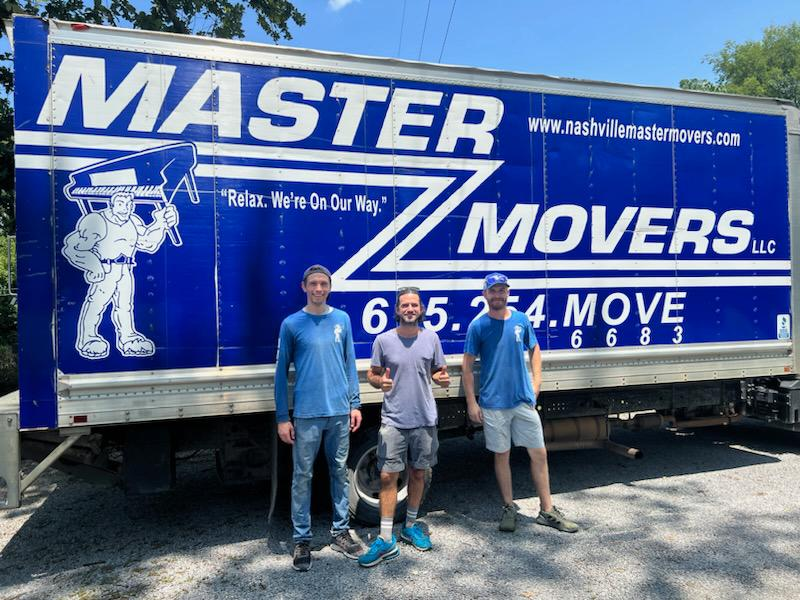
Master Movers is here to handle the heavy lifting while you focus on the excitement of starting fresh in your new home. Contact us today for a free estimate and let our experienced team make your first move a successful one.